How to Measure for a New Garage Door
Before You Choose a New Garage Door, Measure the Opening Correctly
A garage door that looks good in a catalog still needs to fit your actual garage. If the opening is measured wrong, the door may not close properly, seal well, or operate smoothly after installation.
That is why we recommend measuring the full opening and the space around it before moving forward. You do not need to figure out the final fit alone, but having these numbers ready can make your estimate easier and help us guide you toward the right door options.
What You Need Before Measuring
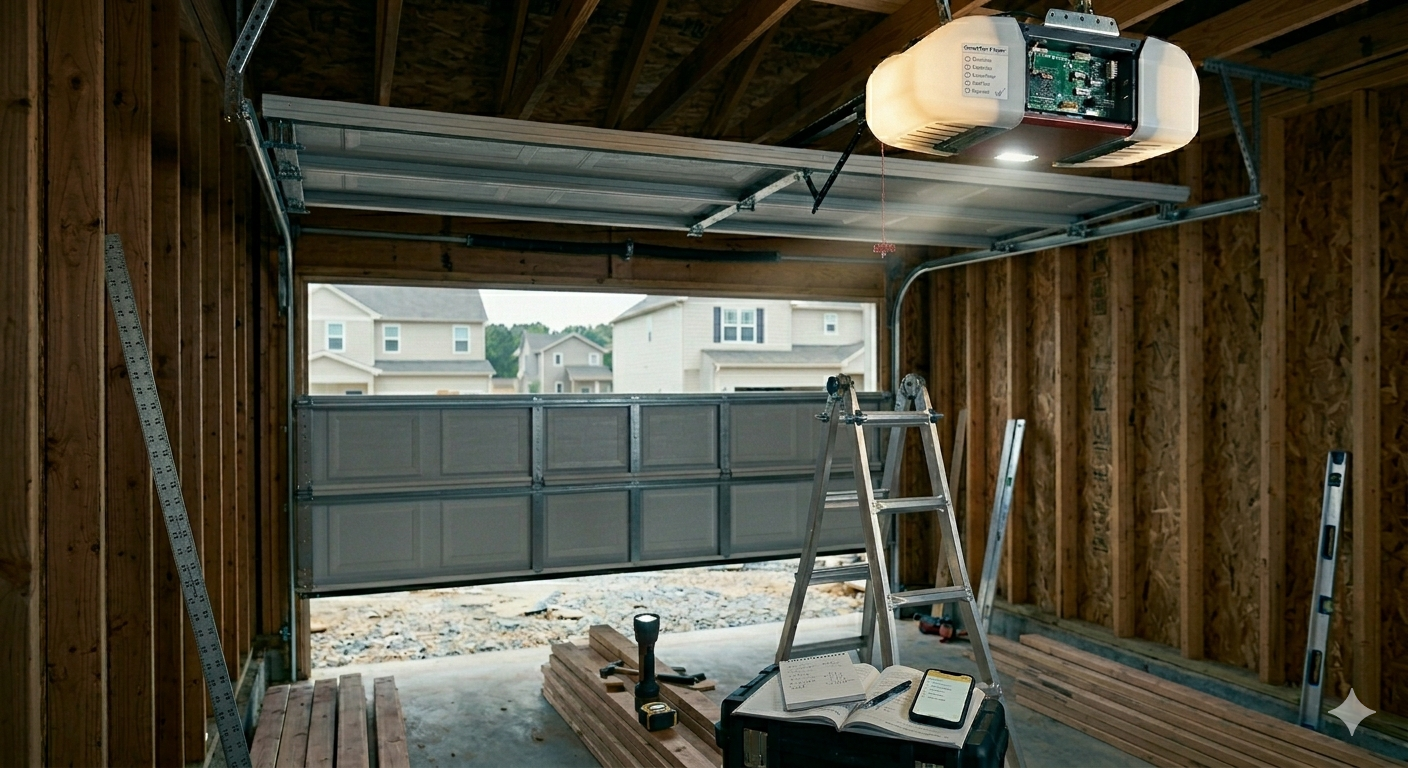
You do not need special tools to get started. A few basic items are enough to take the first measurements.
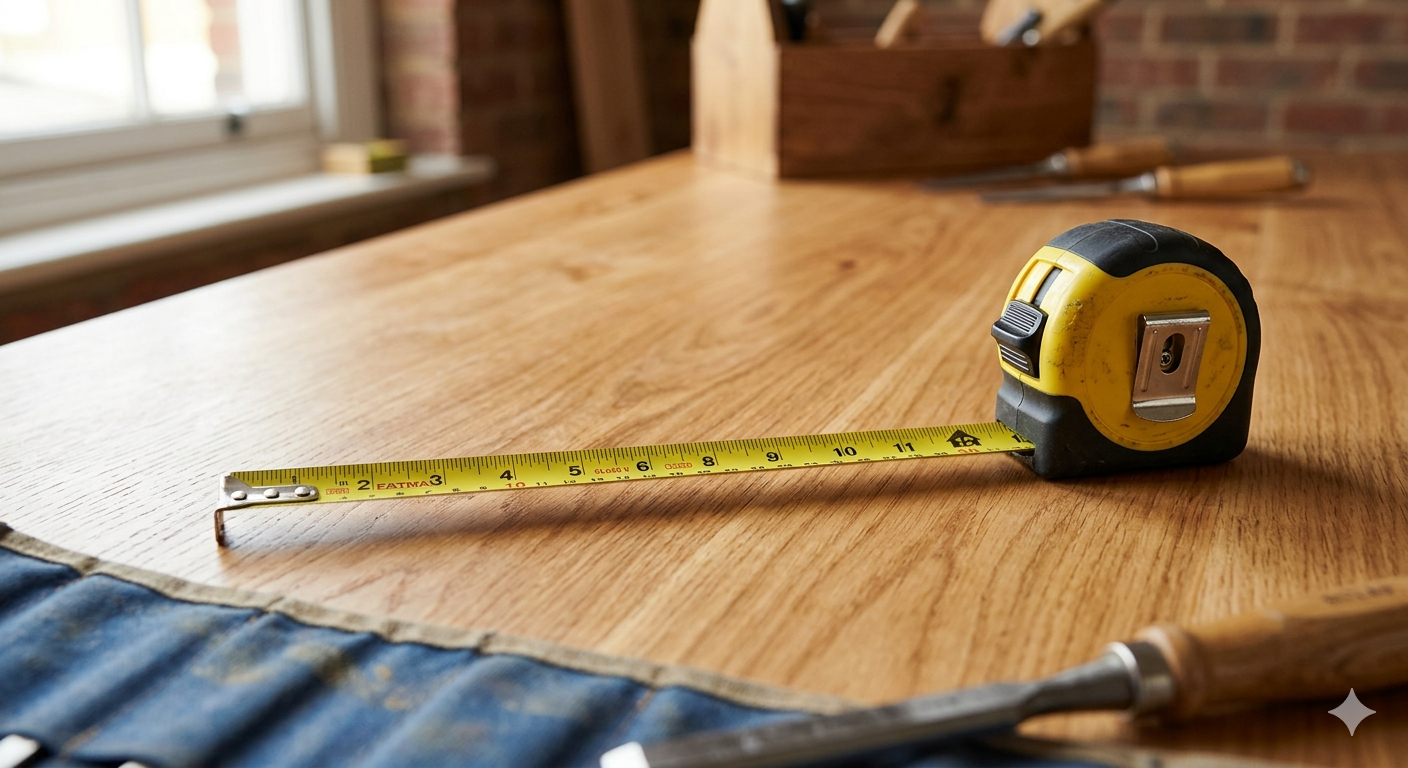
Tape measure
Step ladder
Pen and paper or phone notes
Flashlight if the garage is dim
Someone to help if the opening is wide
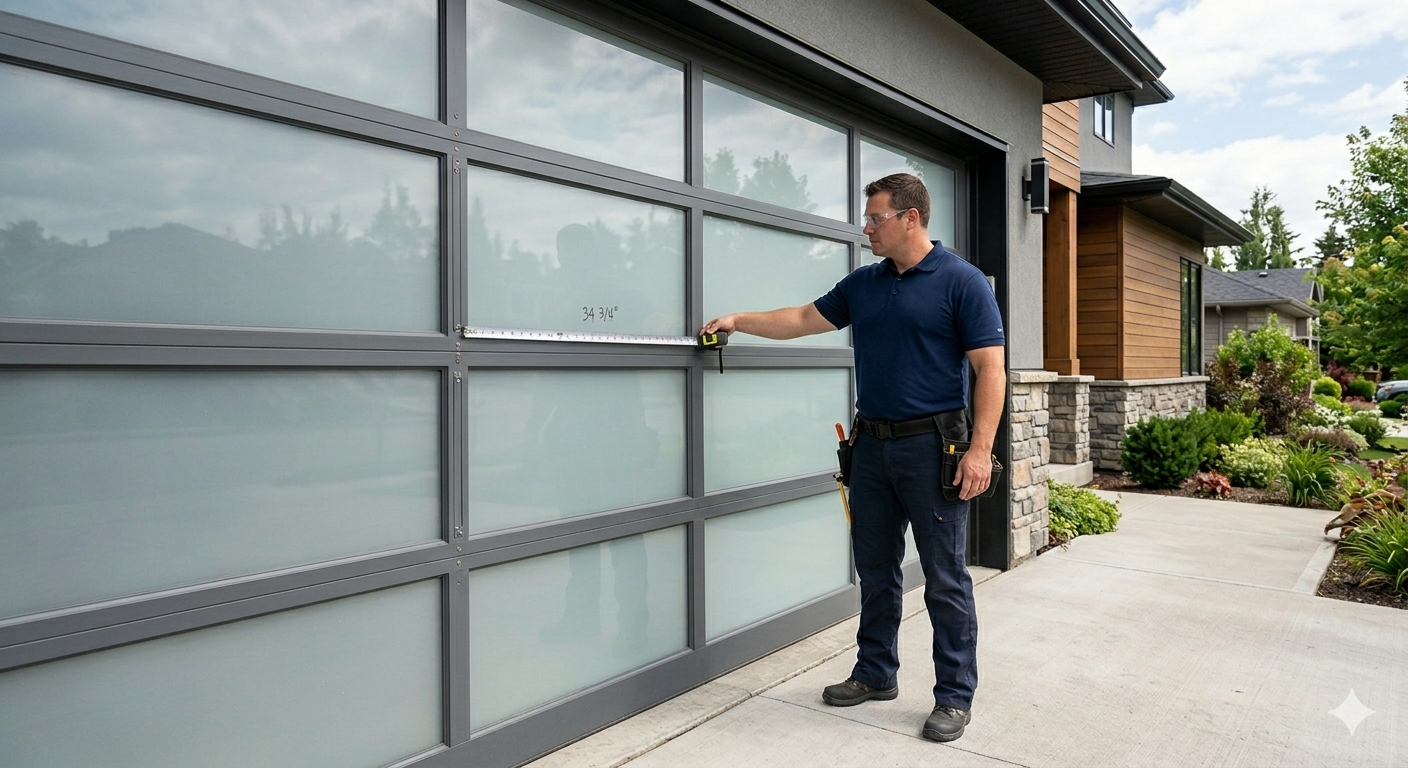
Step 1: Measure the Width of the Garage Opening
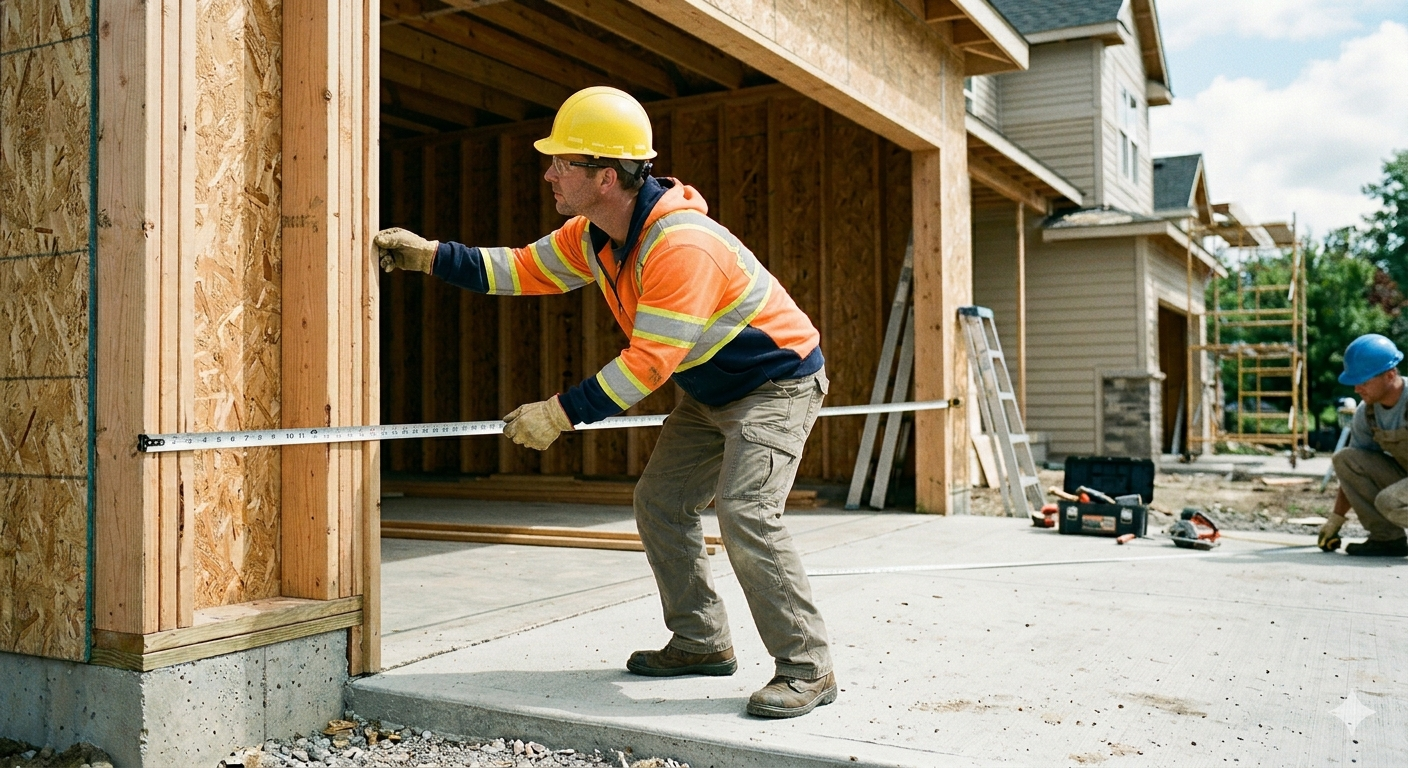
Measure the distance from the left side of the garage opening to the right side. Measure the actual finished opening, not the current door.
Take the measurement at the top, middle, and bottom of the opening. If the numbers are slightly different, write all of them down.
Why This Matters
The width helps determine the size of the new garage door. If the opening is not perfectly even, we need to know that before recommending a door.
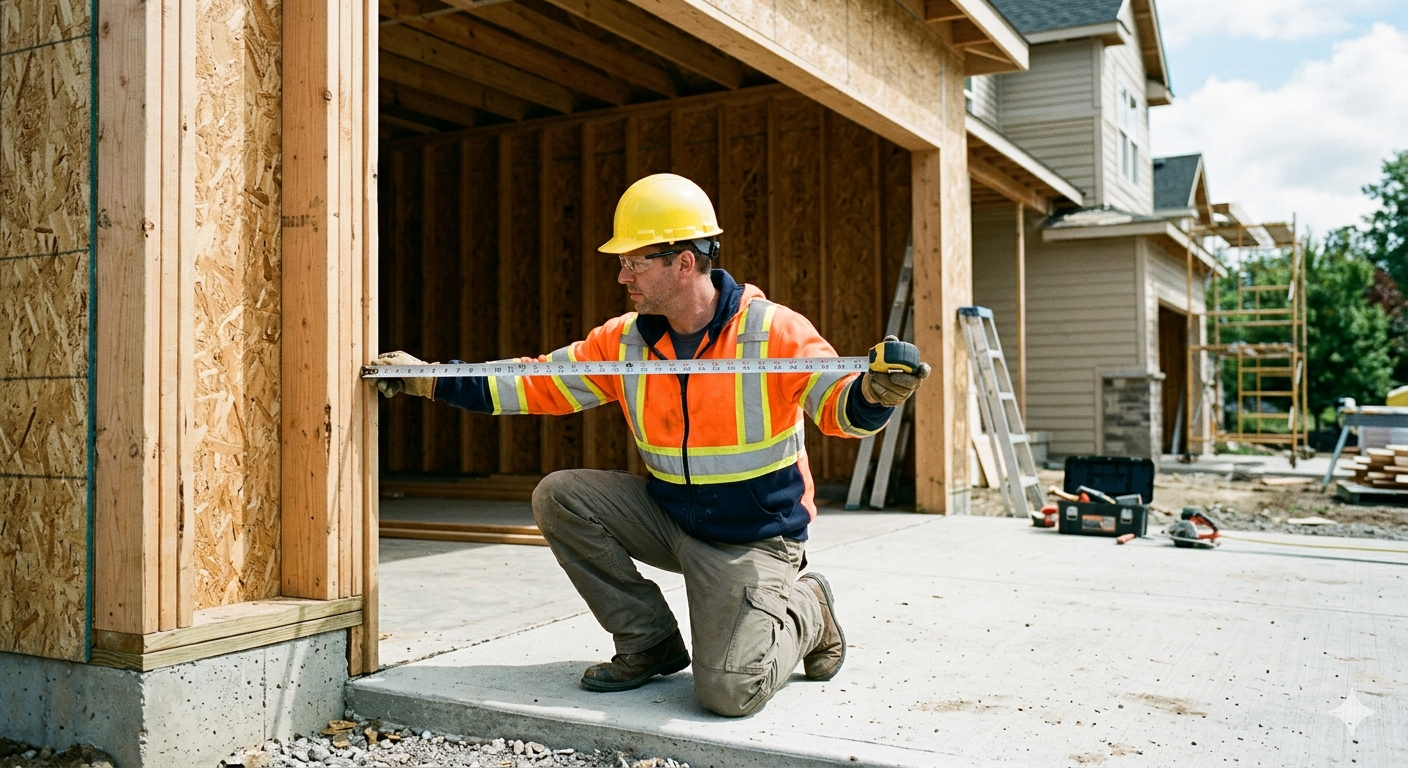
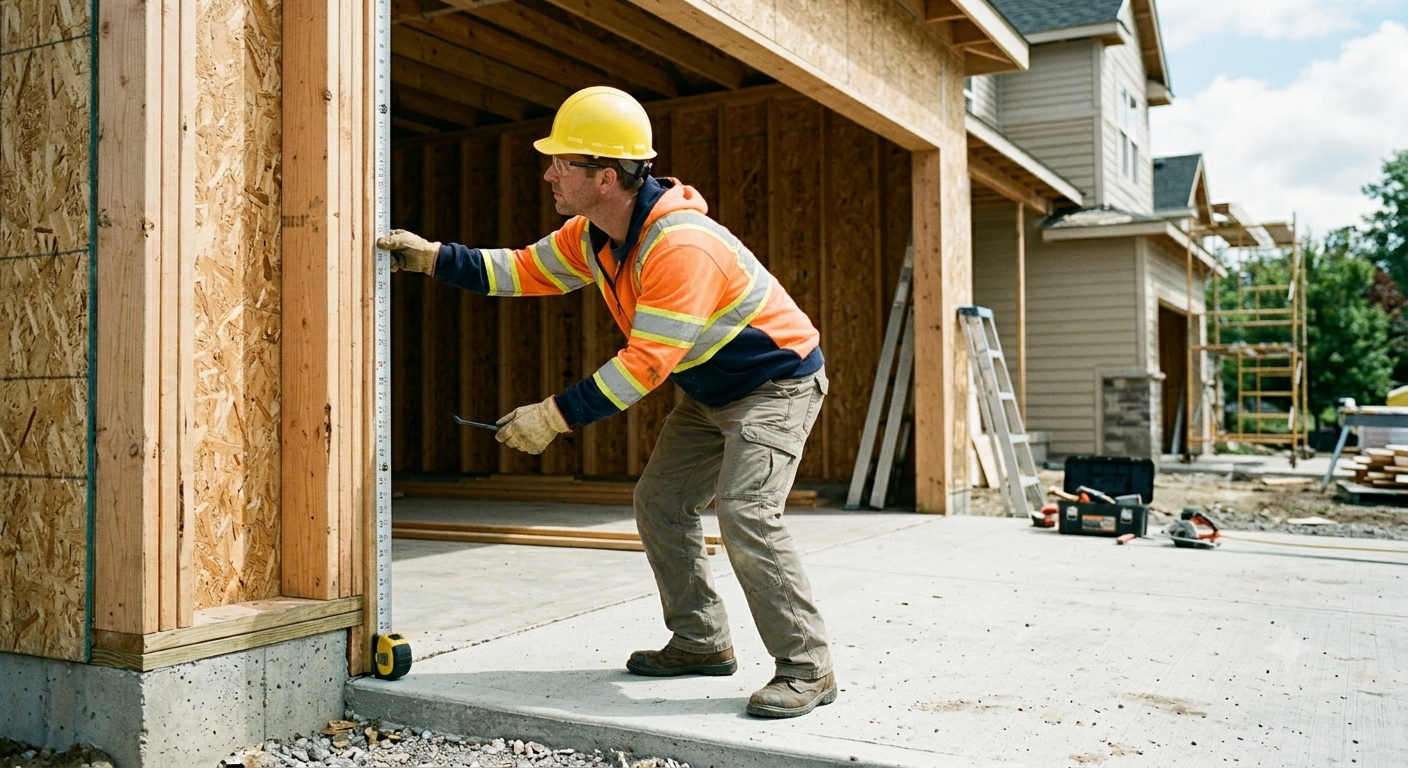
Step 2: Measure the Height of the Garage Opening
Measure from the floor to the top of the finished opening. Take this measurement on the left side, center, and right side.
If the floor is uneven or the frame is not level, the height may vary slightly. Write the numbers down instead of guessing.
Why This Matters
The height helps us confirm the right door size and avoid gaps that can affect closure, sealing, and appearance.
Step 3: Measure the Side Room
Side room is the space on each side of the garage opening. Measure from the edge of the opening to the nearest wall, corner, post, cabinet, pipe, or obstruction.
Measure both the left side and the right side.
Why This Matters
Garage doors need side room for tracks, brackets, and hardware. If the space is tight, we may need to review special options before installation.
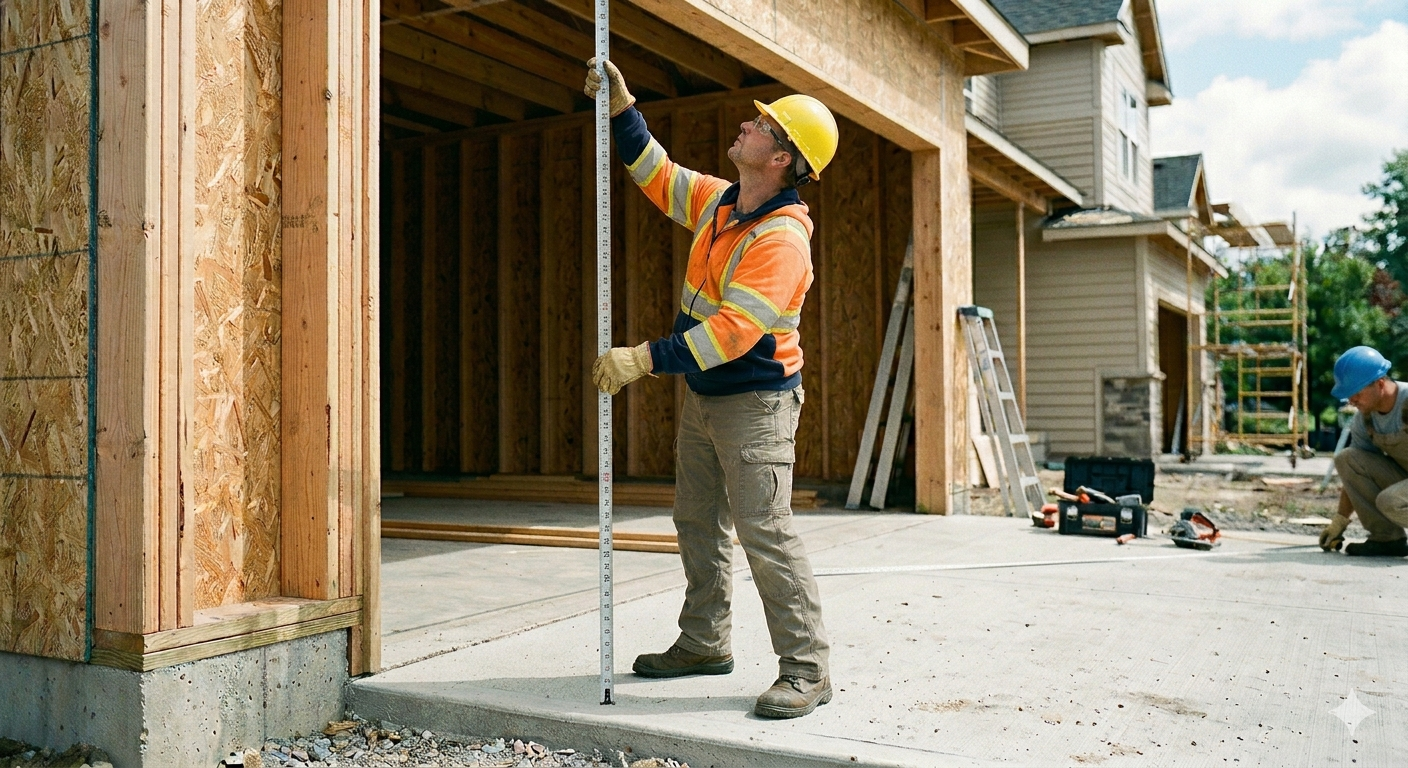
Step 4: Measure the Headroom
Headroom is the space above the garage opening. Measure from the top of the opening to the ceiling or the lowest obstruction above it.
Check for beams, lights, storage racks, pipes, openers, or anything else that may get in the way.
Why This Matters
The garage door needs room to move upward. Headroom affects the track system, opener setup, and installation options.
Step 5: Measure the Backroom
Backroom is the distance from the garage opening to the back wall of the garage. Measure straight back from the opening into the garage.
Also check for anything that may block the door’s path, including shelves, ceiling storage, lights, fans, or garage door opener equipment.
Why This Matters
Your garage door needs enough space to open fully. Backroom is especially important for sectional doors and opener systems.
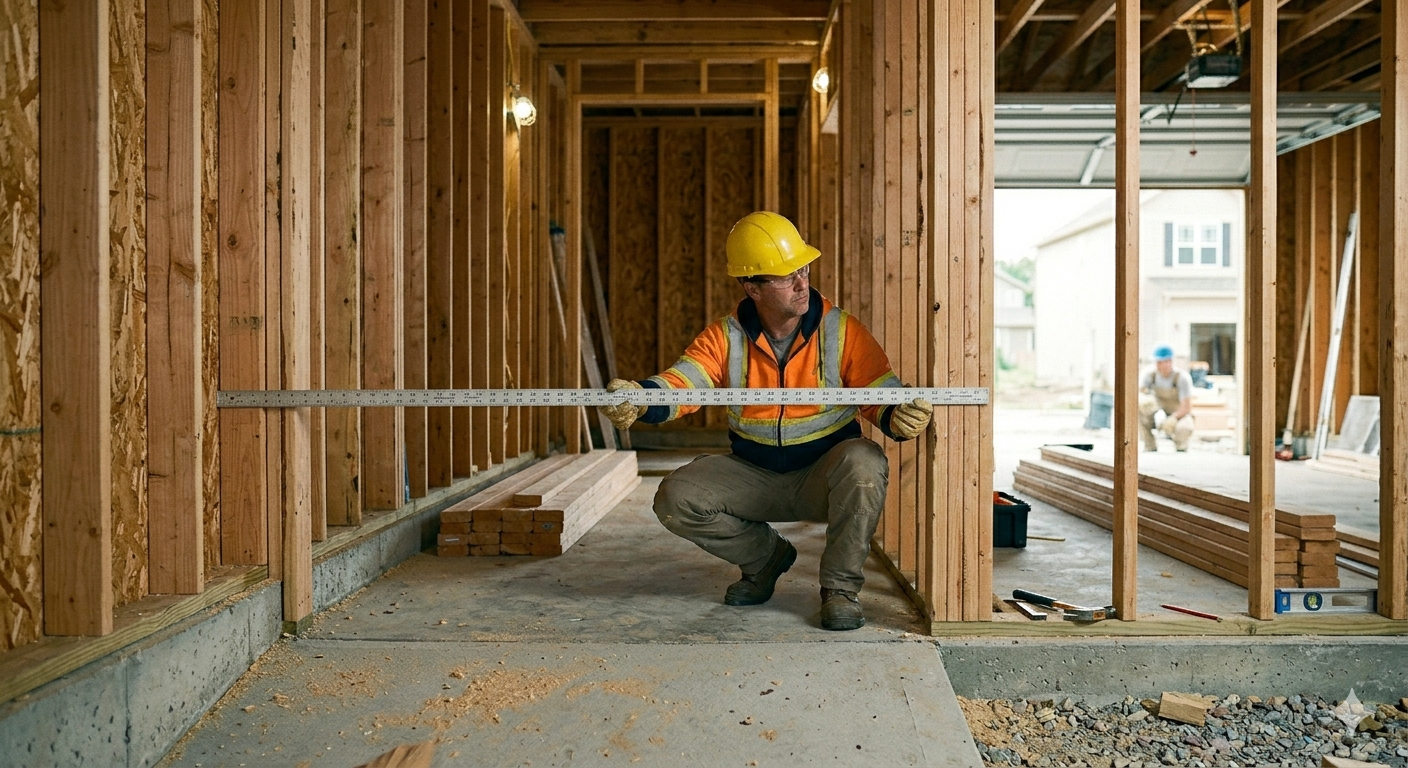
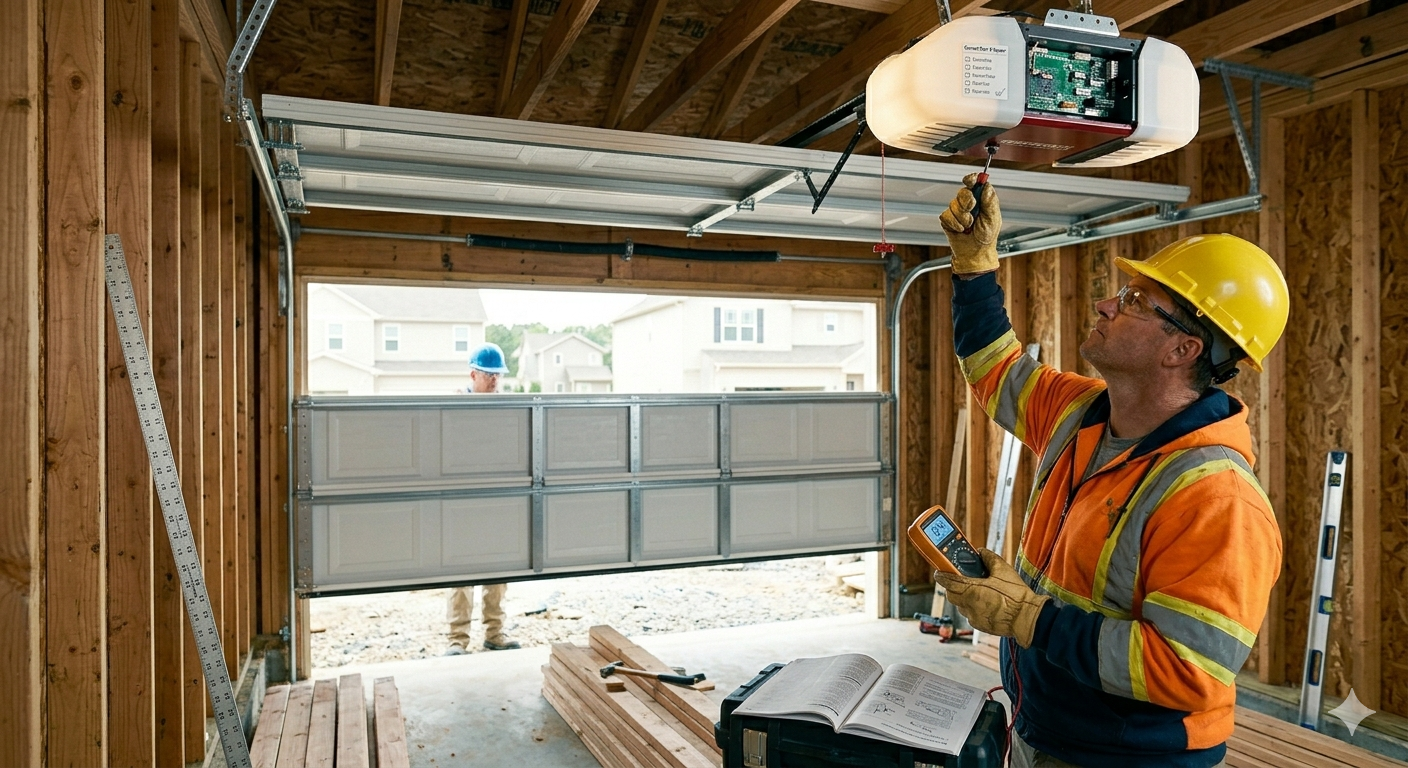
Step 6: Check the Current Door and Opener
Before you finish, take a quick look at your current garage door system. Notice if the door is damaged, noisy, uneven, off track, or difficult to open.
Also check the opener. If it is old, weak, loud, or unreliable, your new garage door installation may be the right time to review opener replacement too.
Garage Door Measurements to Write Down
Use this checklist before calling Rocket Garage Doors:
Opening width
Opening height
Left side room
Right side room
Headroom
Backroom
Current door material
Current opener type, if you know it
Any visible damage or obstructions
Photos of the opening, ceiling, side walls, and current door
Common Garage Door Sizes
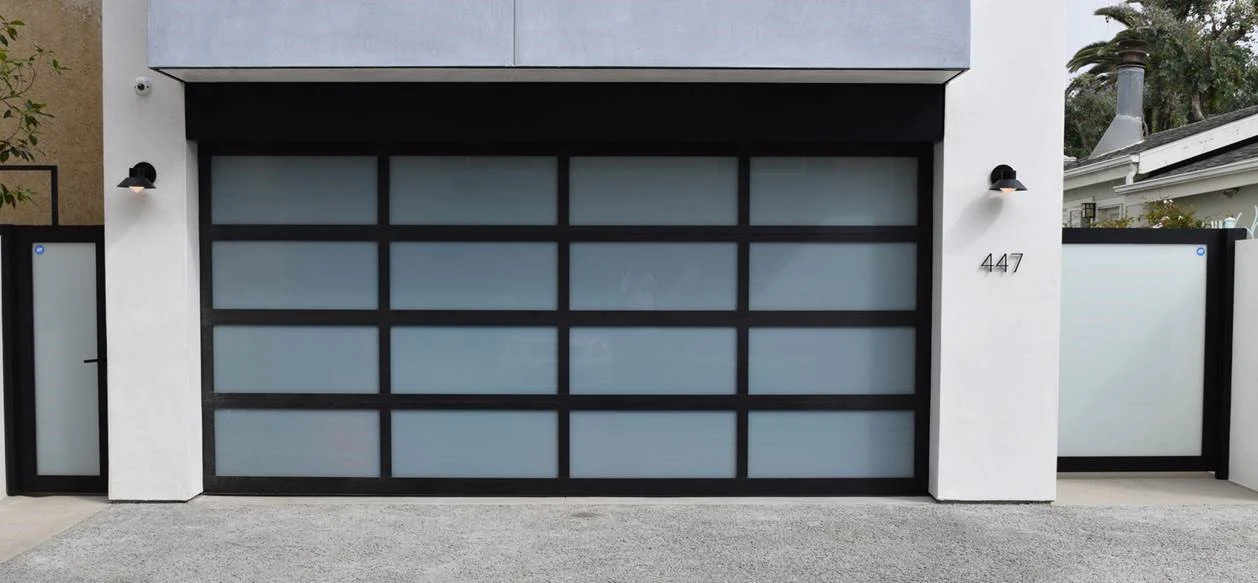
Garage door sizes can vary, but many homes use standard sizes.
Common Single-Car Garage Door Size
A common single-car garage door size is around 8 feet wide by 7 feet high.
Common Double-Car Garage Door Size
A common double-car garage door size is around 16 feet wide by 7 feet high.
These are only common examples. Your garage may need a different size depending on the opening, framing, ceiling space, and the type of door you choose.
Do Not Worry If Your Measurements Are Not Perfect
Your measurements are a starting point, not the final installation plan.
If something looks uneven, tight, damaged, or confusing, do not force the numbers to fit a standard size. Write down what you see and let us review it with you.
Before installation, Rocket Garage Doors can confirm the measurements, check the opening, review the door style, and make sure the setup makes sense for your home or business.

Ready to Choose Your New Garage Door?
FAQs About Measuring for a New Garage Door
Do I measure the old garage door or the opening?
What if my width or height measurements are not the same in every spot?
What is side room for a garage door?
What is headroom for a garage door?
What is backroom for a garage door?
Can Rocket Garage Doors measure for me?
Should I replace my opener when getting a new garage door?
Can I choose a garage door before measuring?